
The Bodega
by Avril Shakira Villar
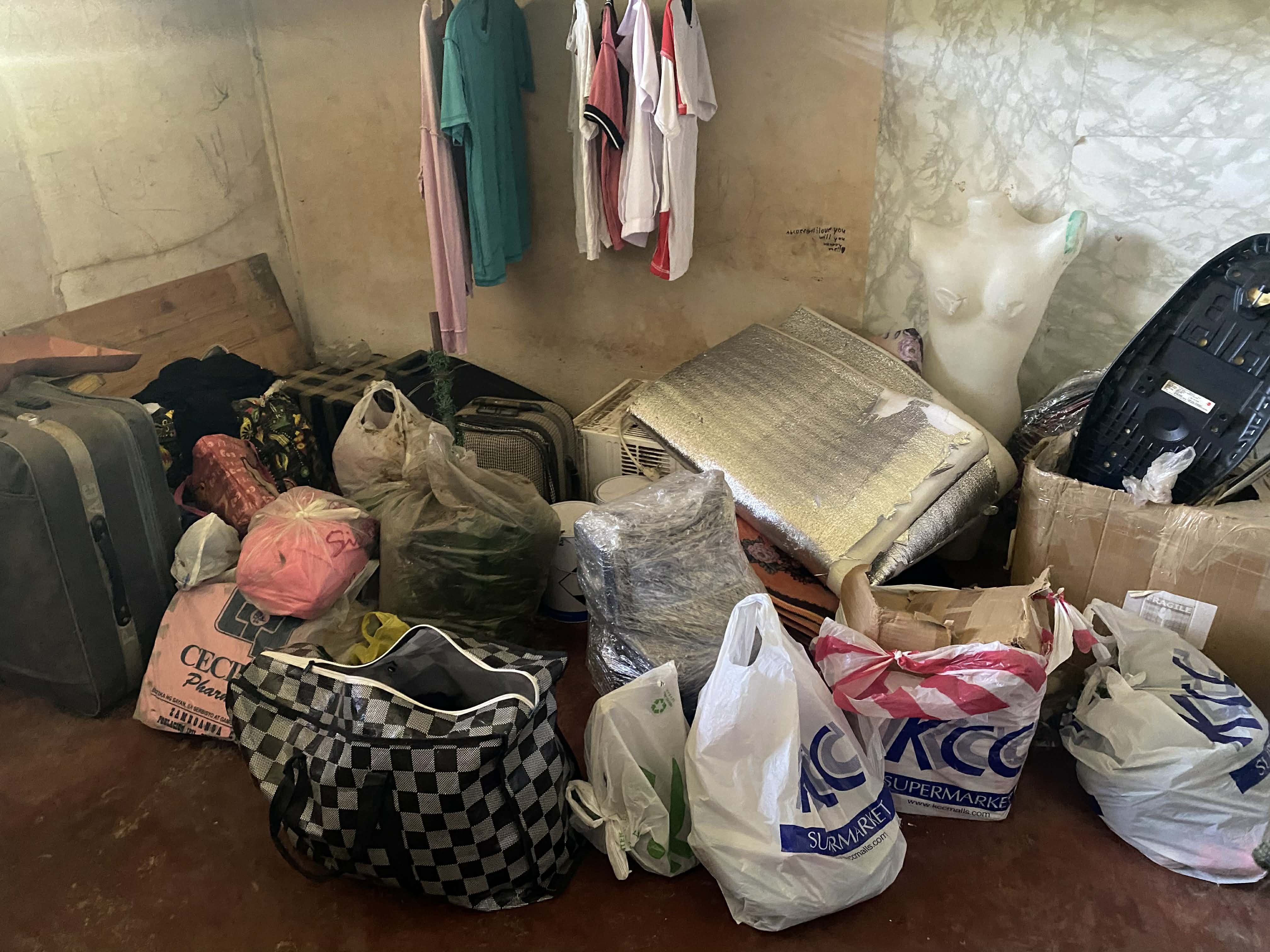
I am standing inside our bodega and I am trying to count the bottles of cooking oil and I stop at seven because there are more behind the broken electric fan and I cannot see them clearly and also because counting them more precisely would require me to move the fan and moving the fan requires moving the box beside it and moving the box requires deciding where the box goes and I have been in this room for four minutes and I have already arrived at the central problem of the bodega, which is that every single thing in here is blocking something else.
The bodega is the last room on the left before the bathroom. It is smaller than my bedroom and larger than it has any right to feel, which is because of what is inside it and how the inside of it has been organized, which is to say it has not been organized, which is to say it has been organized many times and each organization has been slowly, peacefully, without malice, dismantled by the ordinary life of the household moving through it, taking things out and not putting them back in the same place, adding things without a system, placing things temporarily on top of other things and then forgetting that the temporary was only supposed to be temporary. There is a shelf on the left wall. A man built it. He built it with the intention that the cleaning supplies would go on the top shelf and the extra groceries would go on the middle shelf and the tools would go on the bottom shelf and everything would be findable and the household would function with the quiet efficiency of a household that knows where things are.
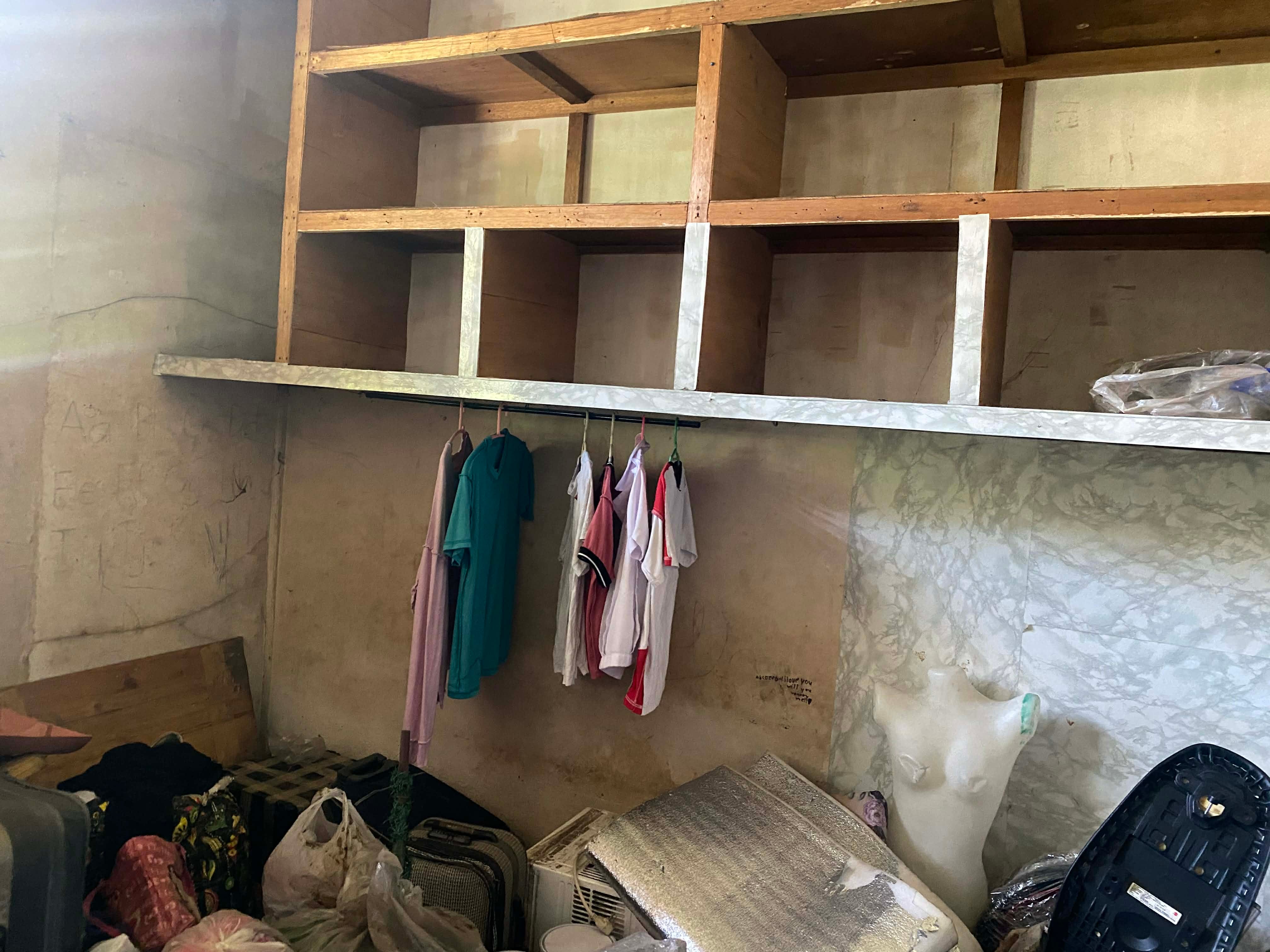
My mother is the one who actually knows this room. She can send you in here for a specific thing and describe its location in terms that make no sense until you are inside and then make complete sense, it is behind the blue container, not the big blue container, the other one, beside the thing your father brought home from work, yes that, move that, it is there. My mother has never once sent me into this room for something that was not where she said it was and this is either a superpower or evidence that she is in this room more than any of us know, maintaining a map of the interior that she has never shared with anyone because she knows we would not maintain it the way she does.
What is in here, as best as I can tell from where I am standing: the seven-plus bottles of cooking oil inside the bag, one mop, one of which has a head so gray and compacted it has become a different object entirely and should be retired but has not been retired because retirement requires a replacement and a replacement requires a trip to the store and that trip keeps not happening, four electric fans in states of varying incompleteness, a box from the last time someone came home that has not been opened because opening it requires an occasion and the right kind of afternoon and we have not had both at the same time, boxes of Christmas decorations, a can of paint left over from when we repainted the sala three years ago in case we need to touch up, the old container from my parents’ room before they got the new one, tools, more tools, a tool whose purpose I genuinely cannot determine, extra plastic chairs for when there are visitors, a bicycle pump for a bicycle we no longer own, school projects from when my siblings and I were in elementary school sealed in plastic folders and stacked against the wall because nobody will look at them again but throwing them away is not something any of us are prepared to do.
That last part is the thing I keep coming back to. The school projects. They are mine too, some of them, poster boards with my handwriting on them, science fair reports, a diorama of the solar system in which I made Saturn’s rings out of cardboard and painted them gold and my teacher gave me an 88 and wrote good effort in red pen and I remember being satisfied with the 88 and now it is in a plastic folder in the bodega and I cannot throw it away, because throwing it away means agreeing that it is over, that that afternoon when I cut the cardboard rings and painted them gold and felt the particular satisfaction of a thing made with your own hands is not just past but gone, and gone is a different thing from past, gone means it does not live anywhere anymore, and as long as the diorama is in the plastic folder in the bodega it lives somewhere, it has a location.
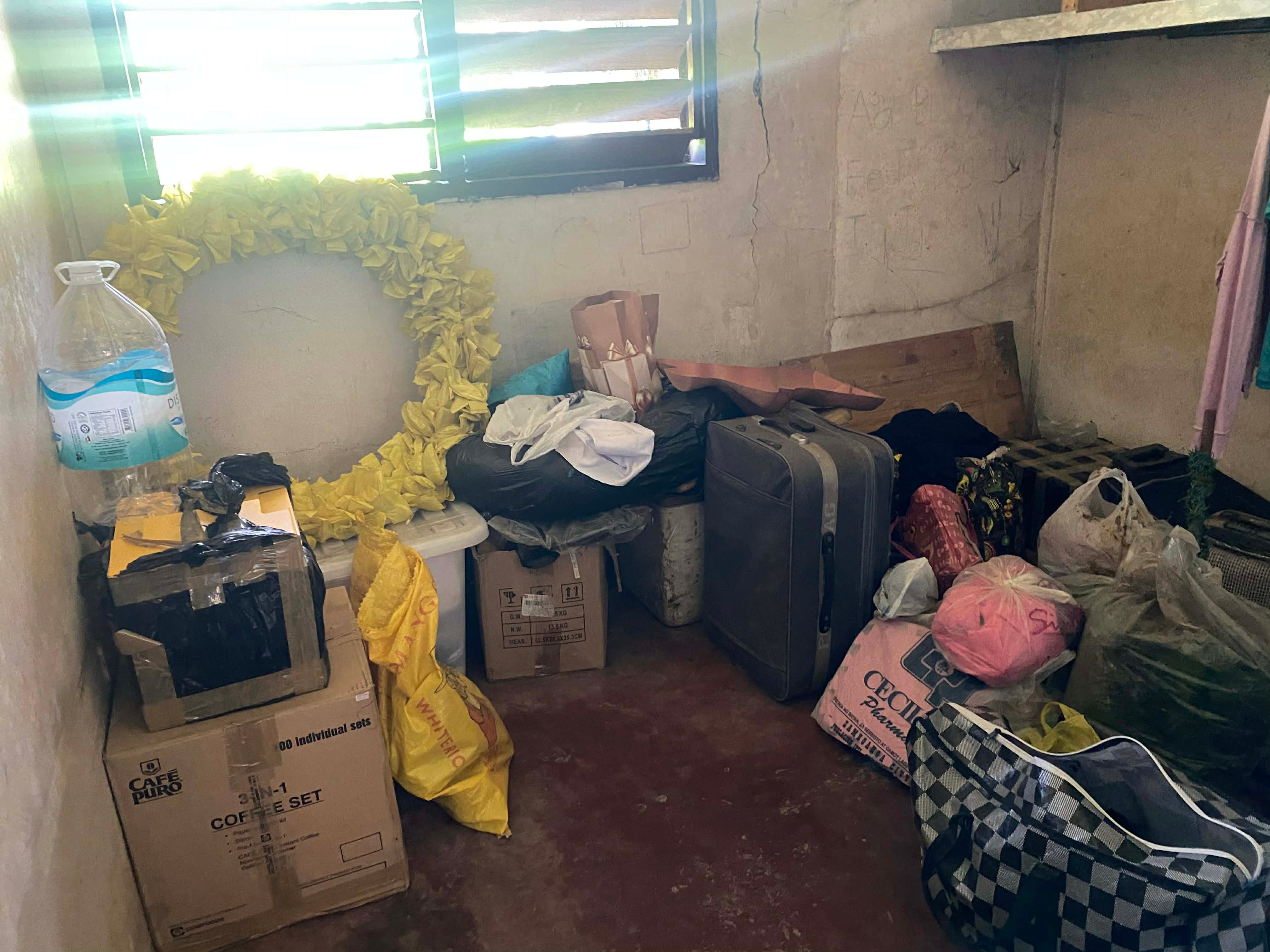
This is what the bodega actually is. It is where we put the things that are too finished to use and too loved to throw away, and there is no other room in the house for things like that, the living room is for the present and the kitchen is for the daily and the bedrooms are for the personal and the bodega is for the accumulation of all the years of this household, the record of every sale at the grocery that made my mother feel responsible for buying in bulk, every appliance that broke in a way that felt fixable, every project completed and graded and brought home and praised, every person who left and sent a box back, every intention my father had on when he believed that the right shelf, built at the right angle, with enough space between the levels, would solve something.
Avril Shakira Villar is the author of I Live Because I Almost Died and an alumna of WriteGirl LA. Her poems appear in Adi Magazine, Evanescent Magazine, Arcana Poetry Press, Voice and Verse Poetry Magazine, Renard Press, and other literary magazines. She writes from Zamboanga City, Philippines.
Stunning sentiment: This is what the bodega actually is. It is where we put the things that are too finished to use and too loved to throw away, and there is no other room in the house for things like that...
Beautiful. Touching. Trying. Sad. Real. Proud. A trip between the past and a presence that puts on display the cause and effect of space in the most personal and intimate way.